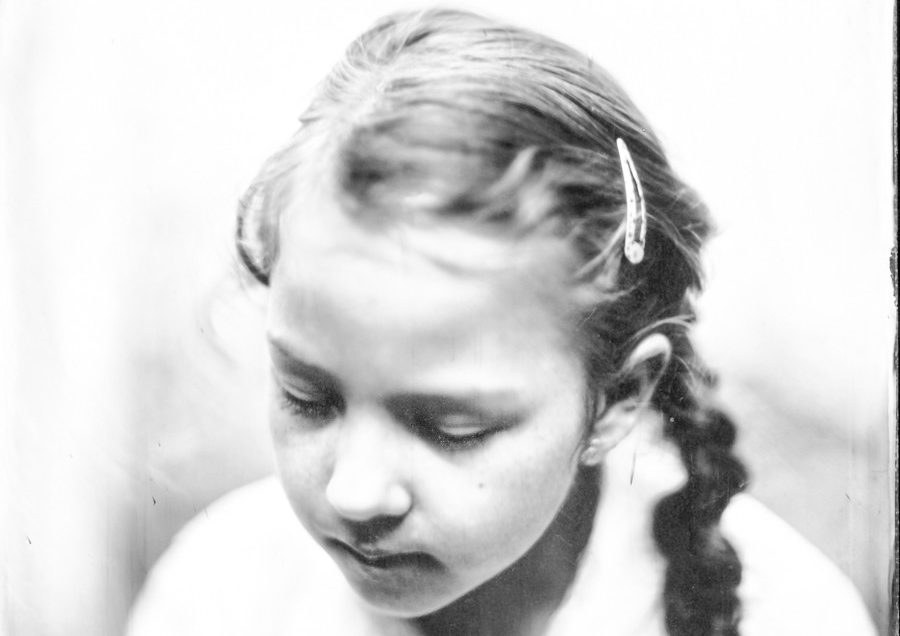
At the beginning there was a broken glass from our fire place. Now there is a nice photo. (Czech version of the post see below.)
Note: Ambrotype is the kind of picture formed by the wet collodion process. Ambrotype may be created eg on clear glass. The basis of wet collodion process is silver nitrate which is used for sensitizing. The result of the wet collodion process is a picture formed of silver, in other words, the bright parts of the picture are reacted silver that goes into halftones and dark areas of the photo.
Ever since I started to photograph on glass or similar material, so I frequently during normal contact with this material think of using it for photography. There was no exception when I replaced the cracked heat-resistant glass on the stove. The glass was broken and I needed to replace it. I took the glass, the glass was old and smoky. But I looked at the glass parts more and more. I decided to use one broken part for an Ambrotype.
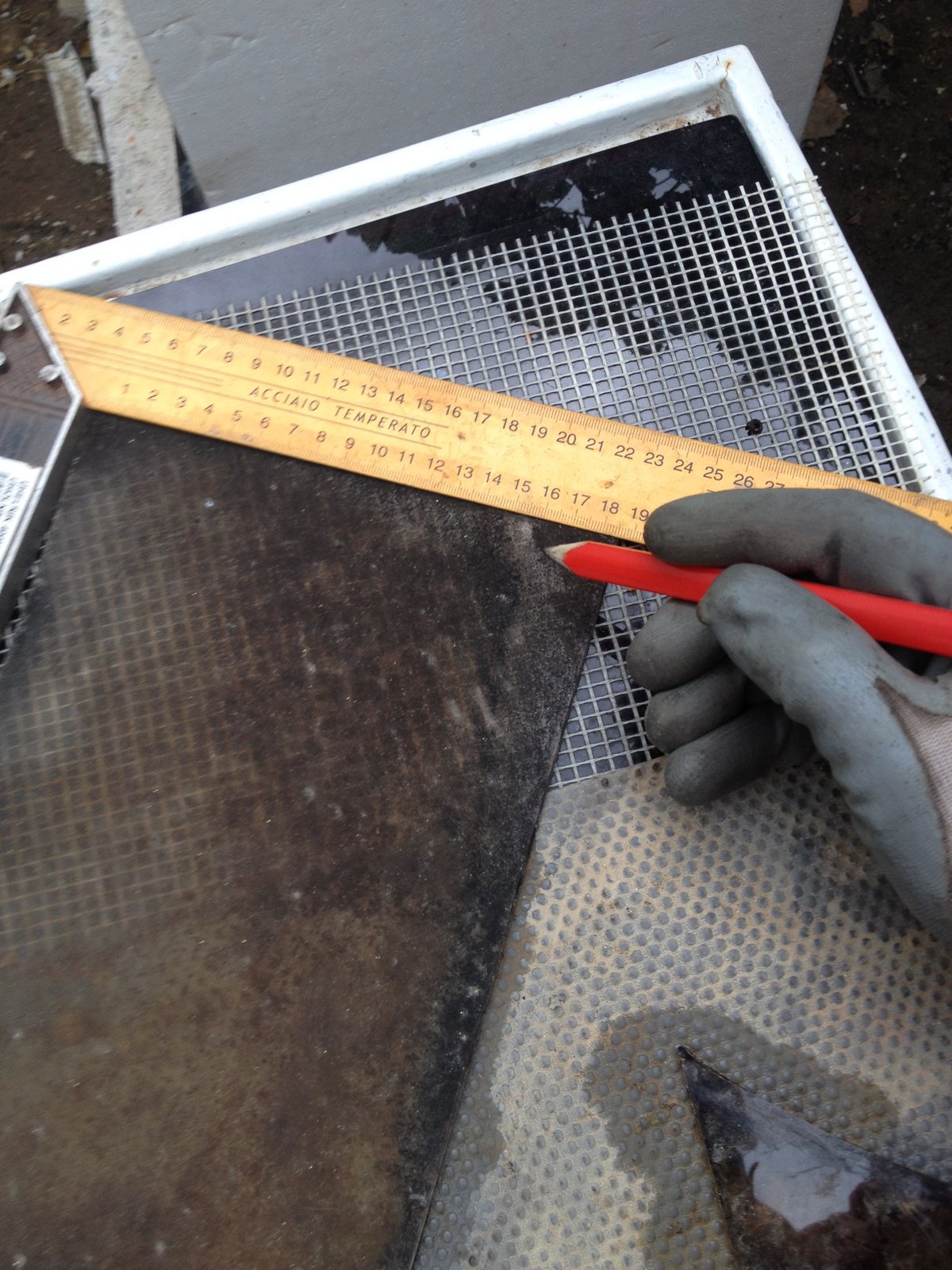 I cut the glass with an angle grinder. Glass frayed edges gave the plate the right raw character of the used material for using with wet plate collodion process.
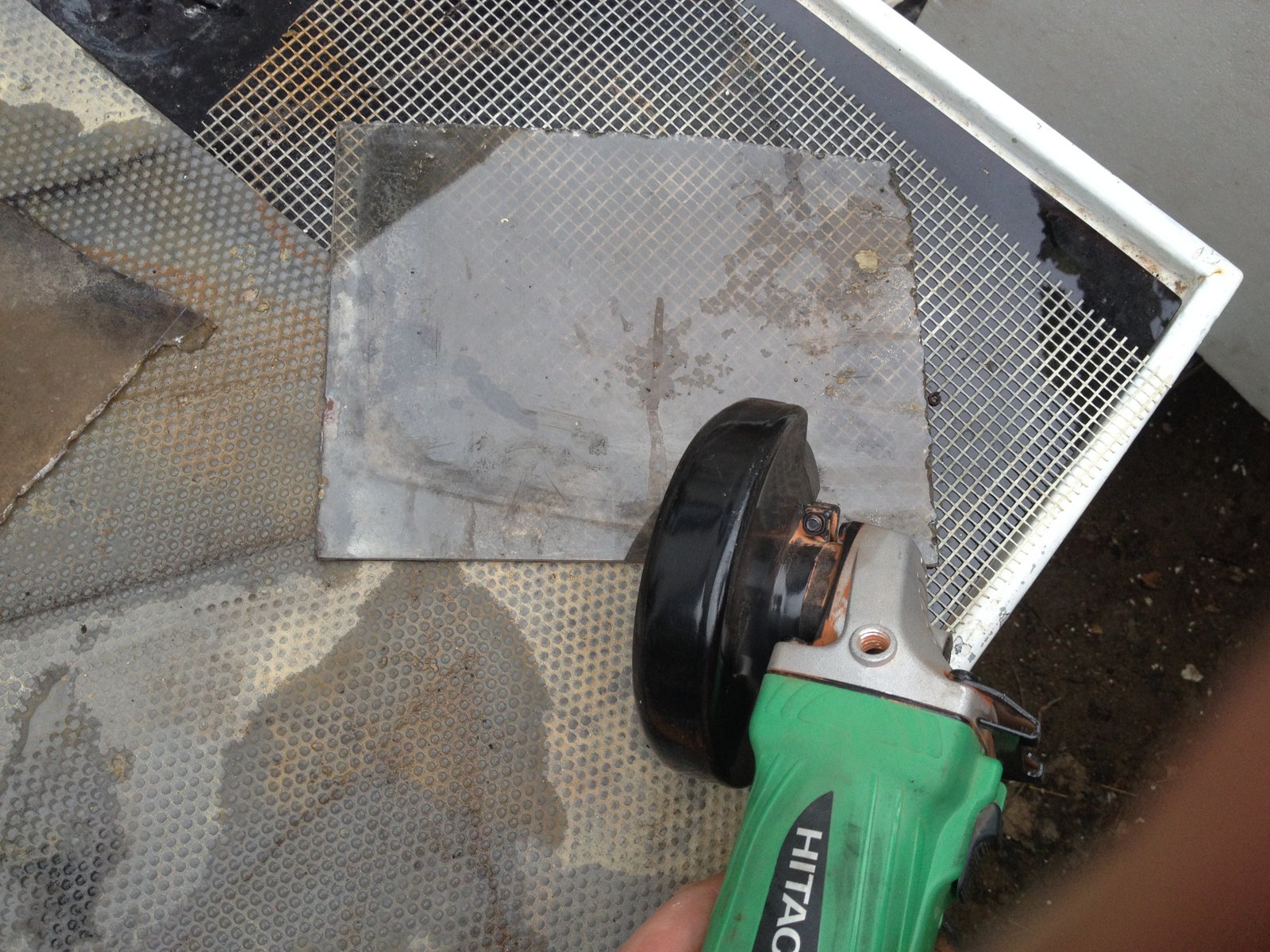
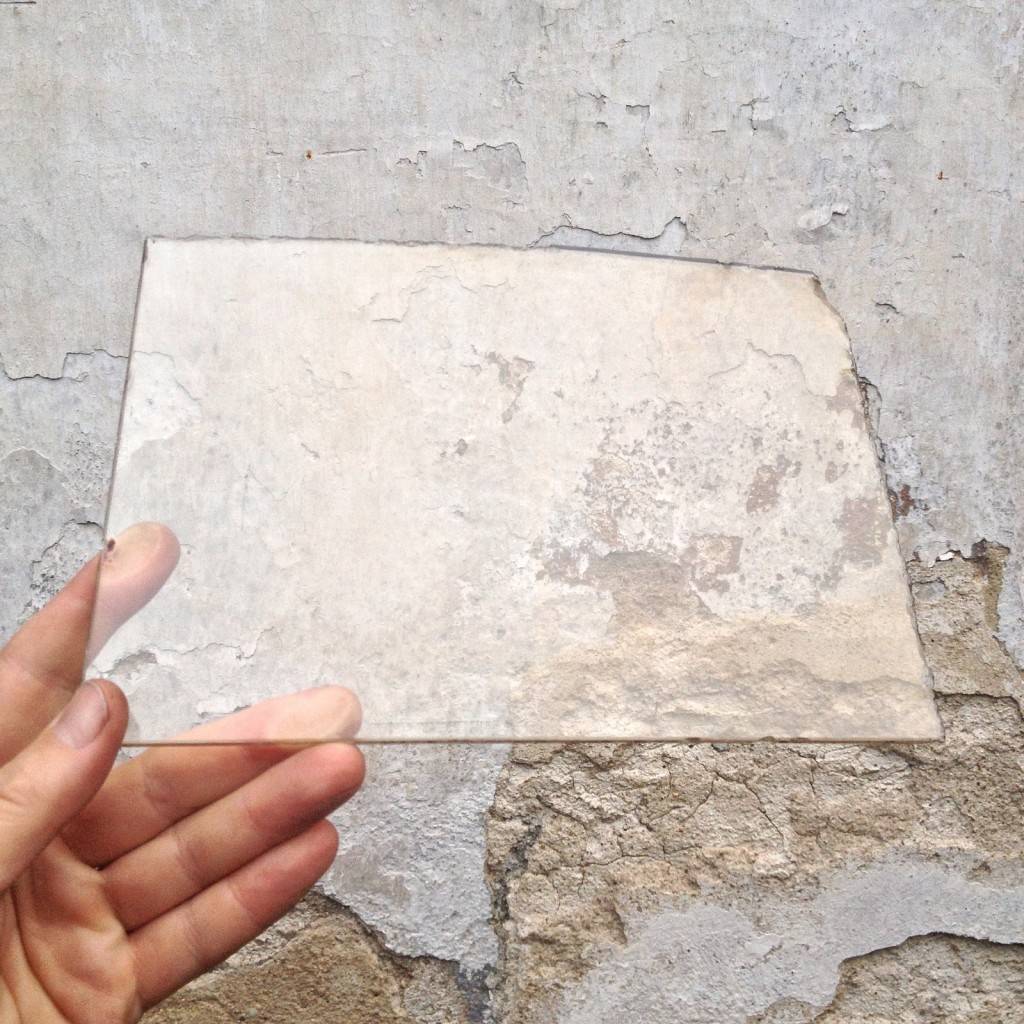
I created a shape that I could insert in the plate holder.
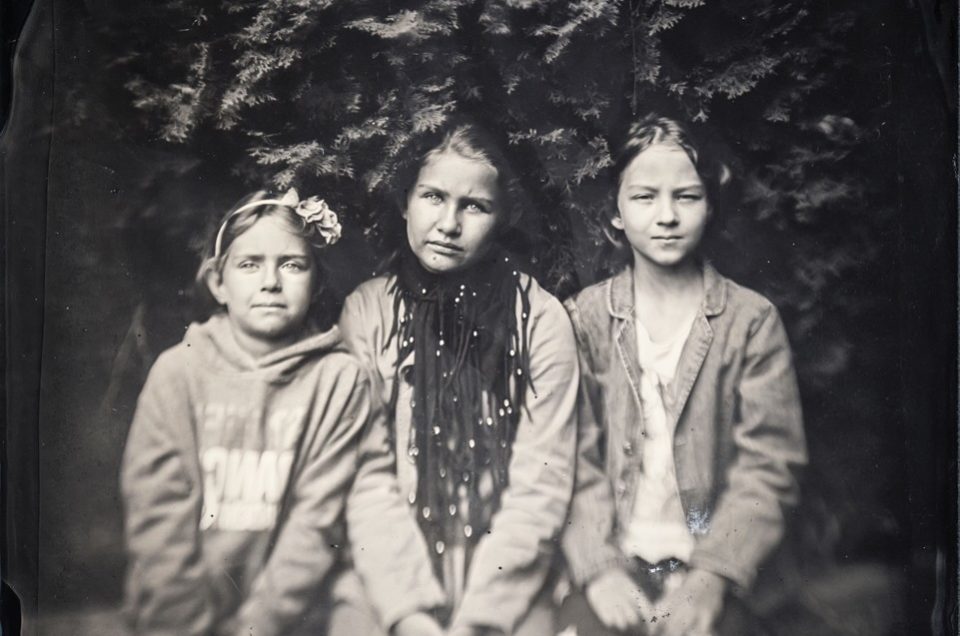
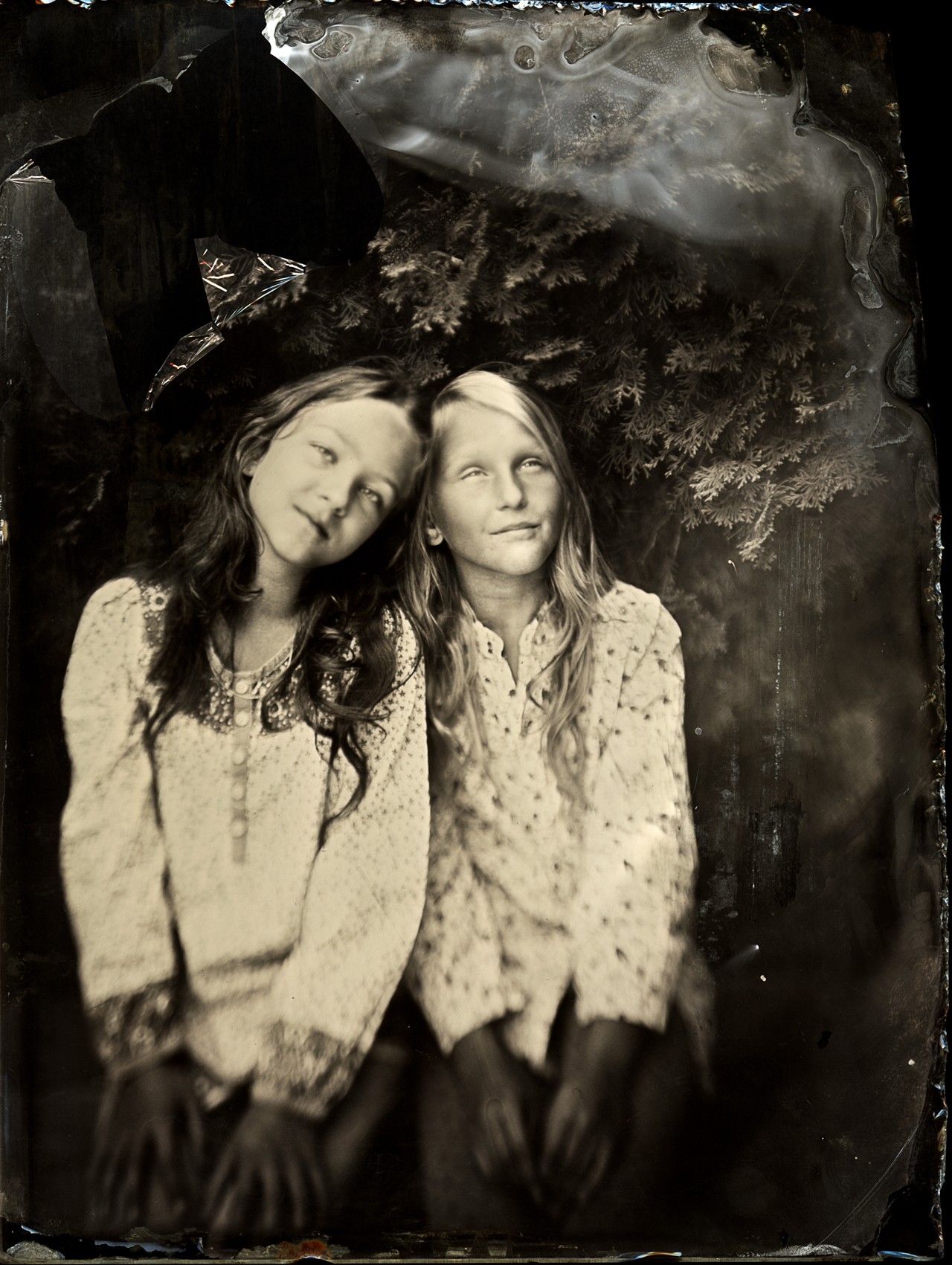
Olivia and Julie are already experienced models and know what shooting is all about. So I assumed that the result will succeed for the first time. Girls who love making videos, and there is one before collodion photo shoot 😉
After taking the portrait, sandarac varnish coating was followed the next day. It is one of the last and most important steps before the frame adjustment, or saving of the plate in a case.
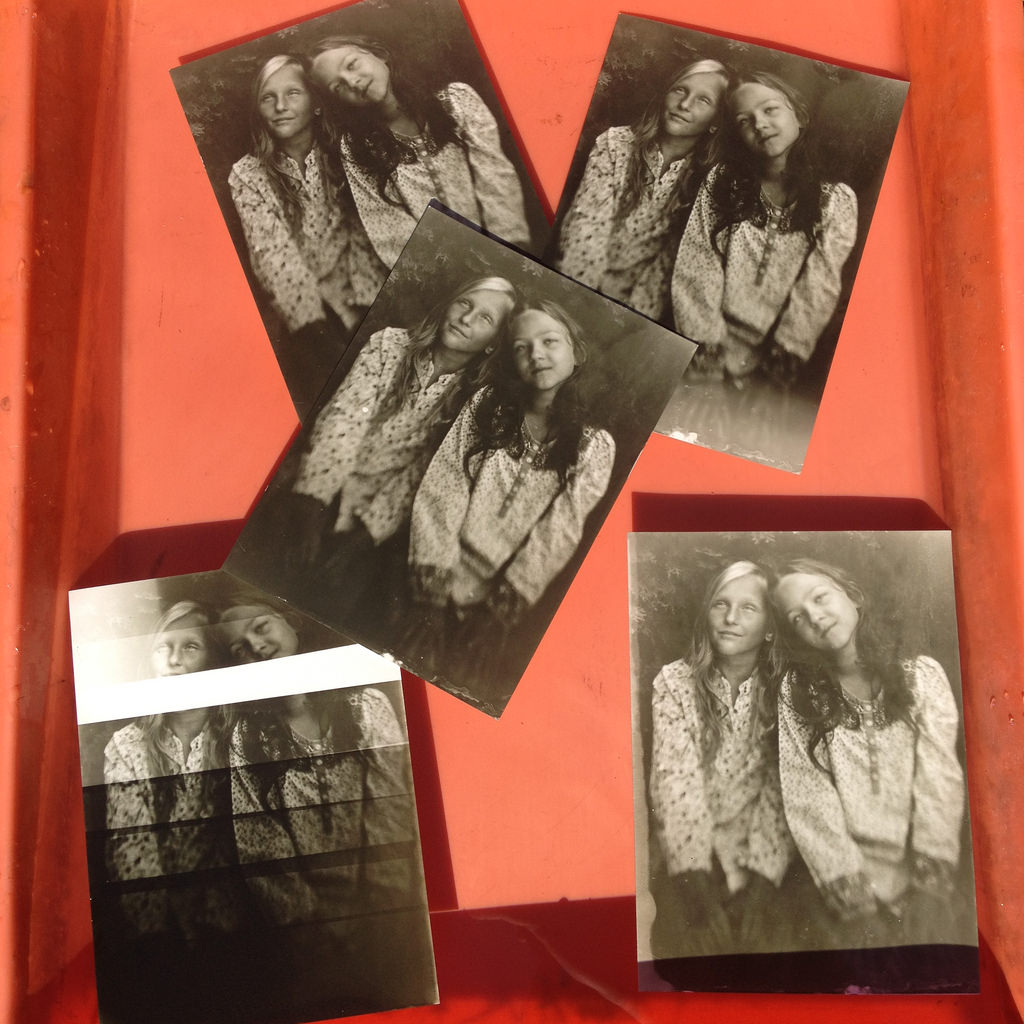
For the photo shoot, I chose the 260 mm lens, which is pretty fast and guaranteed a shorter exposure time that was about 5 seconds. The size of the glass plate is 18×24 cm, 4 mm glass. Photographed: September 28, 2015 in Trebic. And here is the result. From this Ambrotype (slightly overexposed – tends to a negative) can also be made a print. And I will make it later,
Czech version of the post
At the beginning there was a broken glass by the fireplace, at the end there is a collodion photograph (Ambrotype).
Note: Ambrotype is a type of photograph created by the wet collodion process. Ambrotype can be created, for example, on clear glass. The basis of the wet collodion process is silver nitrate, which is used to create a light-sensitive layer. The result of the wet collodion process is (in simple layman's terms) a photograph created by silver, in other words, the light parts of the photograph are reacted silver, which passes into the halftones and darker parts of the photograph.
Since I started creating photography on glass or similar materials, I often think of using it for photography when I come into contact with this material. It was no different when I was about to replace the cracked heat-resistant glass on a fireplace stove. The glass that had been in the stove for several years cracked due to mechanical damage, so I had no choice but to replace it. When removing the glass from the cast iron frame and installing the new glass, the old glass was left lying on the table and was ready to be thrown away. The glass was very tarnished and very sooty. But when I looked at these remnants of strong glass that had been broken into several pieces, I thought of cleaning it and using it to create an Ambrotype.
I cut the glass with an angle grinder. The frayed glass edges gave the plate the right raw character of worn material for use in collodion photography.
Olivia and Julia are already seasoned collodion models and know what a photo shoot involves. So I assumed that the result would be successful the first time. The girls like to shoot videos, so here is one before the photo shoot 🙂
For the photo shoot, I chose a 260mm lens, which is quite bright and guaranteed me a shorter exposure, which was about 5 seconds. The size of the glass plate is about 18×24 cm, the glass thickness is 4 mm. Photographed on September 28, 2015 in Třebíč. And here is the result – Ambrotype – slightly overexposed, it has enough density to try out contact printing of the photograph on photo paper in a darkroom.

You might also like